

powered by:
breast cancer canada

should you worry about bird flu?
 5 minute read

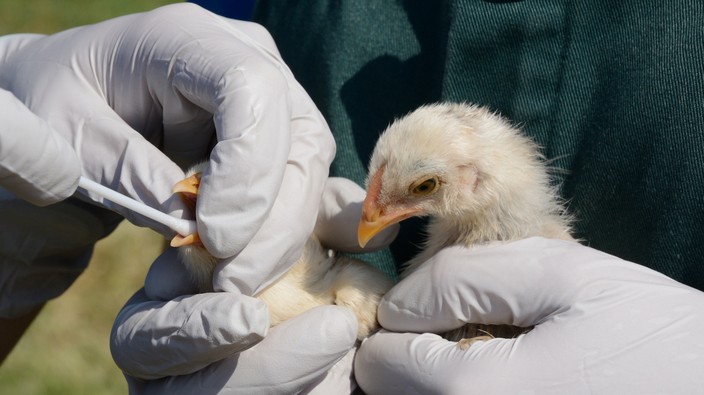
if more humans end up getting infected with the avian flu, the virus could learn to adapt to human hosts. getty
we’re dealing with one of the biggest outbreaks of avian influenza, or bird flu, in years. since december, when flocks of chicken, geese, turkeys, emu and other birds started getting sick and dying
in newfoundland, there have also been various outbreaks in
ontario,
quebec, b.c.,
nova scotia,
albertaand
saskatchewan. nearly 260,000 birds have either died of the h5n1 virus or been culled, according to the canadian food inspection agency. in the u.s., that number is a hefty
24 million. the last time there was a bird flu outbreak in canada was in 2016, and it affected
only ducks in one part of ontariobefore fading away.
more than two years into the covid pandemic, with fatigue starting to set in even as cases continue to rise into a
sixth wave, many of us don’t have the bandwidth to stress about another potentially dangerous contagious illness. but should we be worried?
low likelihood of catching the virus, but a high mortality rate
the good news, according to
matthew miller, a professor at mcmaster university in hamilton, ont., is that unless you’re a poultry farmer, you should be “only mildly concerned at this stage.”
but there’s also bad news: in cases where avian flu spreads from infected birds to humans, the mortality rate is extremely high: between 30 and 50 per cent, he estimates.
and while miller, who studies immunology, pandemics and the influenza virus, isn’t trying to scare people — especially since the general public’s risk of infection is low — he does want canadians to understand that dangerous viruses can start here.
“most people in the general public are probably not very aware of avian influenza,” he says. “i think most people, when they think about pandemics or even epidemics, they think of them as an issue that arises in some exotic, often tropical location. but these are viruses that are actually in our midst.”
advertisement
no current transmission between humans
avian flu is a gastrointestinal infection that spreads primarily in poultry (chicken, turkeys), waterfowl (ducks, geese, swans, gulls, terns) and shorebirds (storks, sandpipers) — waterfowl seems to be faring the worst,
npr has reported. the virus can then be transmitted to the birds of prey who eat their bodies.
the virus is also spread through contaminated bird feces — poultry farmers often unknowingly track the virus into birds’ enclosures through their boots. another risk is when wild ducks, for instance, fly inland and roost in poultry farm fields, or defecate in bodies of water.
luckily, though, “the virus that’s causing the current outbreak is not efficient at transmitting between humans. it’s poorly adapted to do that,” miller says.
this is because the avian flu virus attaches to and infects birds’ cells using a sugar on the outside of the cells called sialic acid, he explains. humans have sialic acid too, but not as much of it as birds have, and the virus isn’t as efficient at attaching to the acid in humans. “it’s what has prevented this family of [bird flu] viruses from causing global pandemics in the past,” miller says.
but if more humans end up getting infected, the virus could learn to adapt to human hosts.
“the more infections it causes in humans, the more opportunities it has to acquire that trait,” miller says. “that’s why it’s really important to be vigilant when these outbreaks occur.”
the only human known to have contracted this specific virus is an elderly person living in the u.k.,
npr reportedon april 9. this person lived in close quarters with 125 ducks, some of whom got sick and died. the owner, though, didn’t have any symptoms. some americans who were in contact with infected birds did experience flu-like symptoms, but they all tested negative for the virus.
advertisement
how to stay safe from bird flu
luckily, there are very robust measures in place to prevent this kind of virus from spreading, miller says. when birds with the virus are detected, the whole flock is typically culled to prevent transmission of any kind (the current outbreak is forcing authorities to
figure out the grim detailsof how to go about killing millions of birds at once).
in canadaand
the u.s., zoos and conservation areas are closing birds off from the public to prevent any possible transmission.
for our part, we should take precautions — especially now that we’re entering spring.
“as the weather warms up, i think people should be cognizant about hygiene and washing, especially if they’re in bodies of water,” miller says. anyone who plans to spend time at a cottage where there are ducks or geese around, for instance, should be sure to follow public health measures and wash their hands thoroughly.
and parents, especially, should be cautious in parks or in any other places where birds spend time.
“just be mindful in parks around goose droppings, which make a mess, obviously,” he says. parents “want to avoid having their children, for example, get contaminated while playing with duck and goose droppings.”
poultry and egg shortages have already started to occur due to the number of chickens and turkeys dying. but the good news is we don’t have to worry about transmission through food. miller says the strict standards for detecting the virus at farms means it’s very unlikely that meat or eggs from any infected birds would make their way to the grocery store. and even if they did, the virus doesn’t spread like that.
“the virus doesn’t typically contaminate in such a way that there would be any problems after cooking,” he says. “the risk in food is extraordinarily low, especially when cooked properly.”
advertisement
overall, miller’s message is just to be aware.
“i don’t think there’s any reason for people to be outlandishly scared,” he says. “but they should be vigilant, and take extra precautions.”
maija kappler is a reporter and editor at healthing. you can reach her at mkappler@postmedia.com
thank you for your support. if you liked this story, please send it to a friend. every share counts.
if you love pets as much as we do, we have a new place for you. head over to postmedia’stailstold.comto read amazingpet storiesfrom across our network, and maybe even share a few of your own.
share story


